
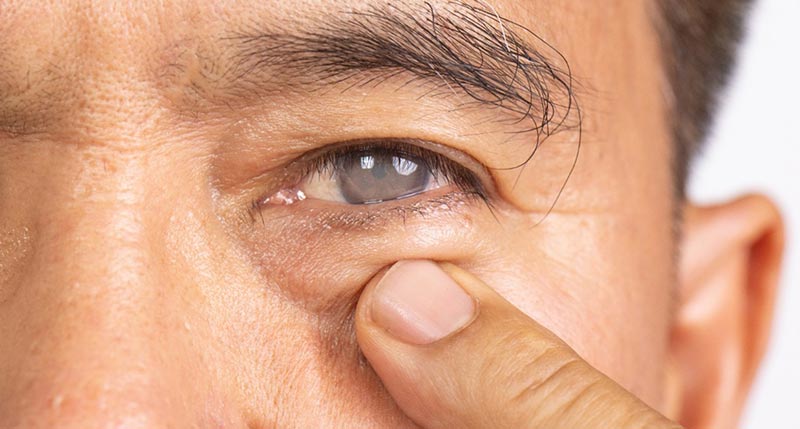
June is Cataract Awareness Month, an ideal opportunity to clarify fact from fiction when it comes to one of the most common eye conditions that impacts adult vision. Cataracts affect millions of Americans, yet myths about who gets them, what causes them, and whether they can be prevented often keep people from protecting their eyesight.
In our optometry office, myths we hear about cataracts include:
“I thought cataracts only happen when you get really old,” and “Nothing can be done about cataracts anyway.” Neither statement is true.
But myths about cataracts are detrimental if they delay you from getting a diagnosis or taking simple steps to protect your vision. So, let’s clear up some common cataract misconceptions.
Myth #1: Cataracts Only Happen to Older Adults
While cataracts become more common with age, they do not appear overnight at age 80.
Cataracts begin developing much earlier, in your 40s and 50s, as proteins in the eye’s natural lens begin to clump together, causing cloudiness that — well, clouds your vision.
While age-related cataracts are the most common, younger adults can also develop cataracts due to:
- Diabetes
- Eye injuries or surgeries
- Certain medications, especially long-term steroid use
- Genetics and family history
- Some babies are born with cataracts
Your takeaway: Do not assume you are “too young” for cataracts or early lens changes. An eye exam can help identify the cause.
Myth #2: Cataracts Grow Like a Film Over the Surface of Your Eye
Cataracts do not grow on the surface of your eye. They form inside the eye, in your eye’s natural lens, located behind the iris and pupil. As you age, that lens becomes cloudy, and light can’t pass through it as clearly. That can make your vision feel blurry, hazy, dim, or faded. Patients often describe it as looking through a foggy window, and night driving becomes difficult because the glare from oncoming traffic feels unbearable.
Your takeaway: Because cataracts develop gradually, many people do not notice changes until vision problems begin interfering with daily activities.
Myth #3: Cataracts Are Completely Unavoidable
Aging plays a major role in cataract risk, but your lifestyle choices matter, too.
Research shows that long-term UV exposure from sunlight increases your cataract risk. That’s why we recommend high-quality sunglasses that protect your eyes from 100% of the sun’s harmful rays. Smoking, diabetes, heavy alcohol use, and certain medications (such as steroids) may also contribute.
Protective habits matter. To promote good eye health, make sure you:
- Wear UV-protective sunglasses and a wide-brimmed hat outdoors
- Stop smoking. Quit now!
- Manage diabetes and take care of your overall health
- Keep up with routine eye exams
Your takeaway: Protecting your eyes from UV exposure throughout your lifetime may not eliminate cataract risk, but it does support long-term eye health.
Myth #4: If I Had Cataracts, I Would Know It
Not necessarily. Early cataracts may only produce subtle symptoms that you might mistake for normal aging or a change in your prescription.
Common warning signs that you may have cataracts include:
- Blurry or cloudy vision
- Difficulty driving at night
- Increased glare from headlights
- Colors appearing faded or yellowed
- Frequent prescription changes
- Needing brighter light to read
Your takeaway: If night driving becomes harder or your vision feels hazy and clouded, schedule a comprehensive eye exam rather than assuming it is “just aging.”
Myth #5: You Should Wait Until Cataracts Are “Severe” Before Addressing Them
Patients sometimes assume they should delay care until vision becomes dramatically worse.
While finding a cataract does not automatically mean surgery is needed, your optometrist will monitor the cataract — sometimes for years — until it affects your quality of life.
When you have trouble driving at night, reading comfortably, seeing your phone or computer screen, or recognizing faces, that could be the signal that it’s time to discuss next steps. Comprehensive eye exams help us monitor cataract progression and guide you through the right timing for treatment.
Your takeaway: Early conversations about cataracts create better planning and options for when your vision loss begins to limit your daily enjoyment of life.
Myth #6: Cataracts Can Be Reversed with Eye Drops, Vitamins, or Internet Remedies
No, no, and no. Patients often ask about supplements or “vision hacks” to dissolve cataracts.
Unfortunately, at this time, cataracts cannot be reversed with medications or home remedies.
Your takeaway: Be cautious of miracle claims online. If something sounds too good to be true, ask your eye doctor first.
Myth #7: Cataract Procedures are Rare or Dangerous
Many patients worry about the idea of having cataract surgery, but it is one of the most commonly performed procedures in the United States, and has a very high success rate of 97%.
During the procedure, your eye’s clouded natural lens is removed and replaced with a clear artificial lens. And there’s more good news: This highly successful procedure is performed on an outpatient basis, so you can go home the same day.
Cataracts are incredibly common. More than half of Americans age 80 or older either have cataracts or have had cataract surgery.
As our patient, we will help you stay informed about your options, and help guide you through the process of having your cataracts corrected so you can continue to enjoy healthy vision and good eye health.
If you suspect that you may have early signs of cataracts, give us a call and schedule an appointment today!